(Scroll down for English)
Română
“Arta mea trebuie să se străduiască a îmbunătăți soarta celor sărmani.”
(Beethoven, 1796)
Ludwig van Beethoven a fost dintotdeauna unul dintre compozitorii mei preferați de muzică clasică, dacă nu chiar primul din categoria aceasta. De când am fost mică m-a impresionat povestea lui, în primul rând, urmând să mă cucerească mai apoi și operele sale.
În anul 2020 am citit biografia lui Beethoven, de Romain Rolland, și, în mijlocul unui eveniment neplăcut mondial, mi-am găsit un refugiu în muzica lui, mai ales în Simfonia a IX-a în re minor.
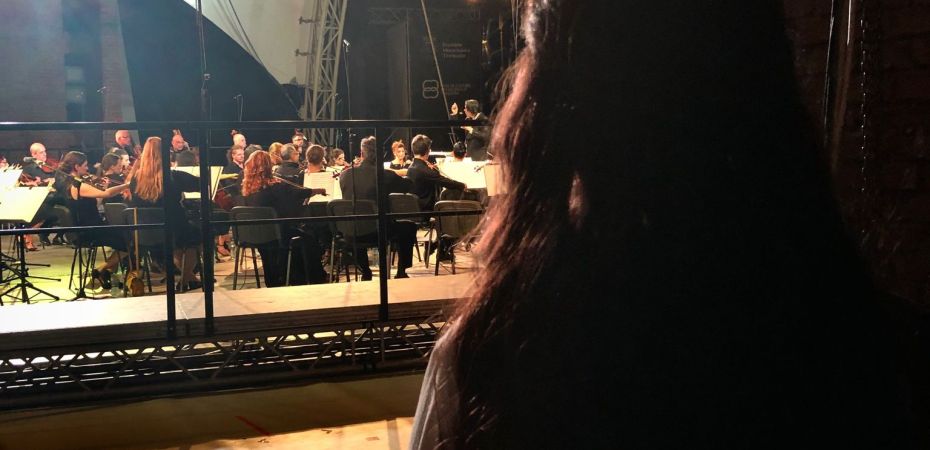
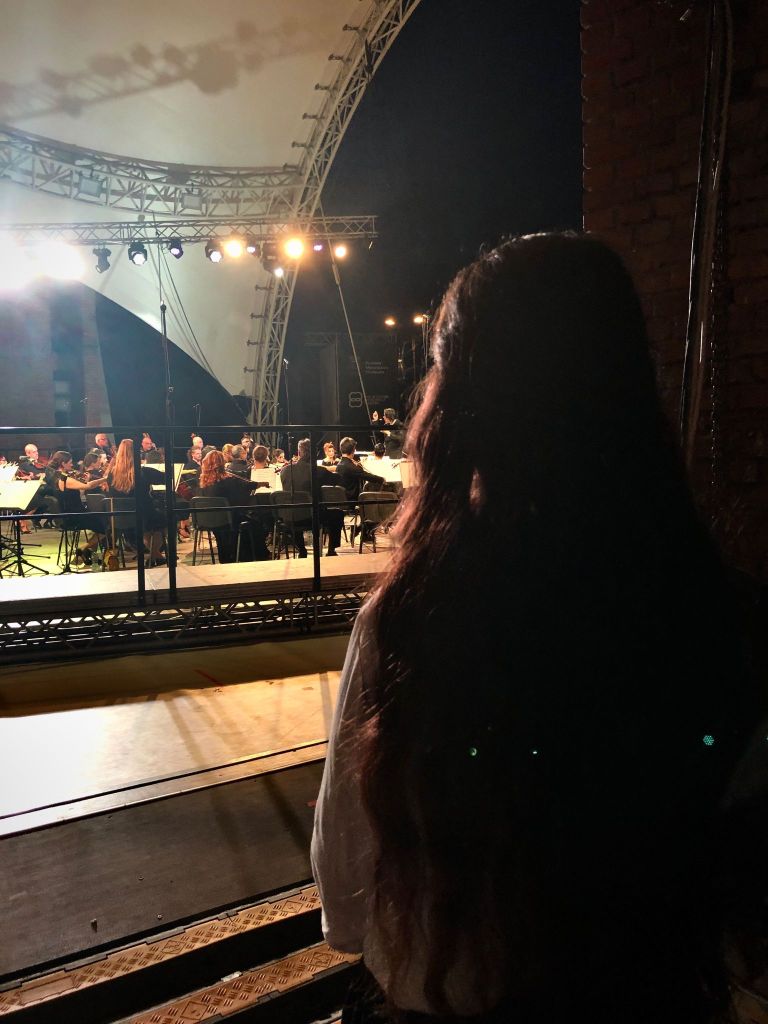
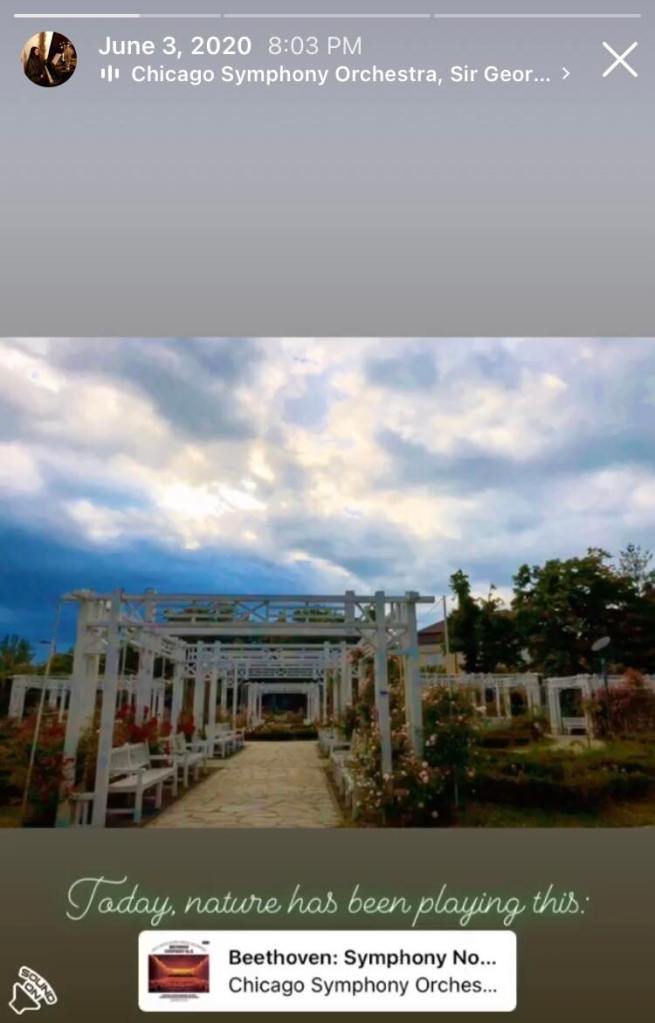
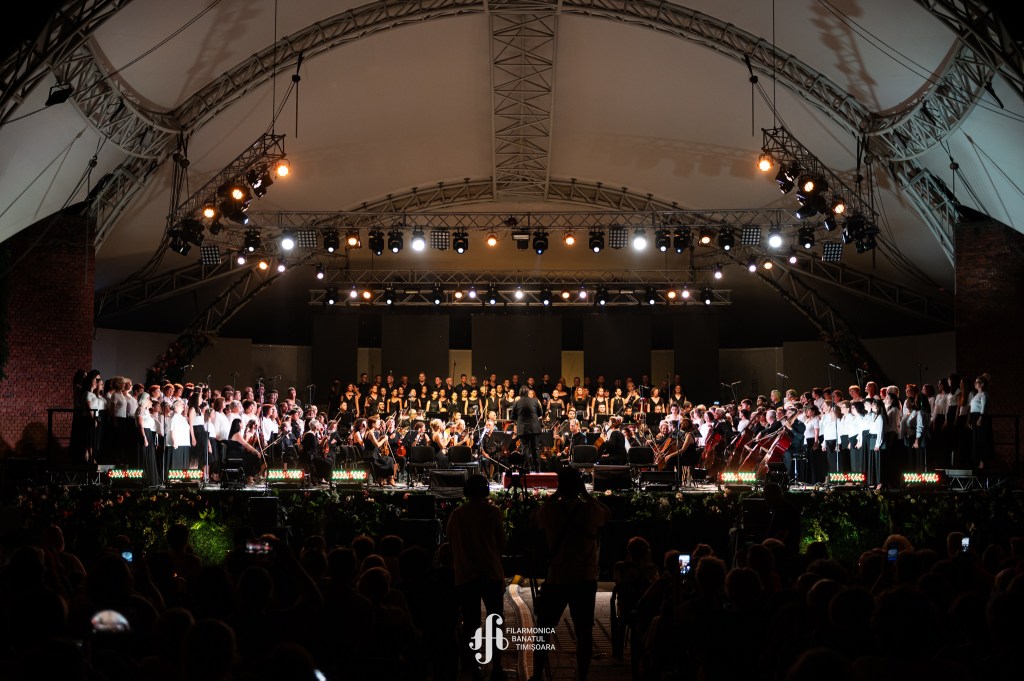
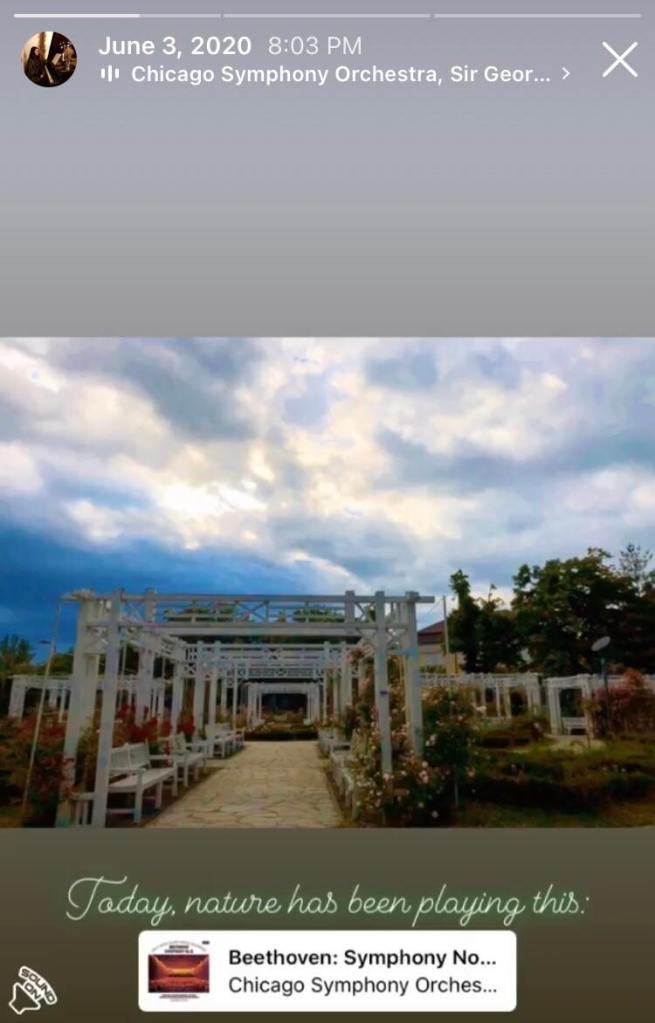
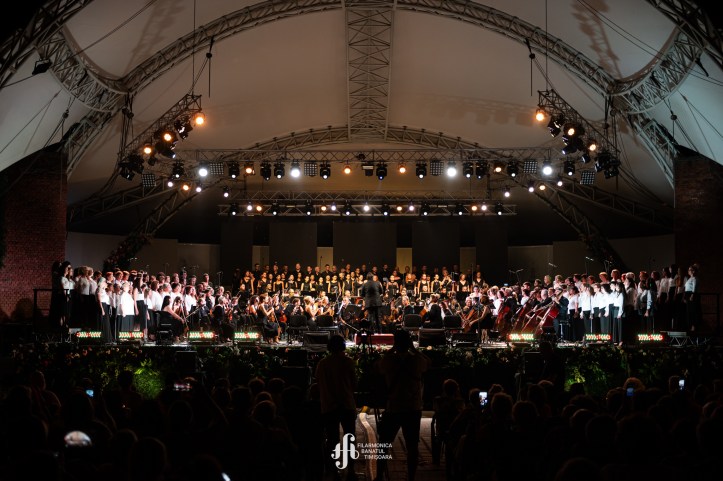
Îmi amintesc cum mă plimbam în luna iunie, în perioada examenelor, prin Parcul Rozelor din Timișoara, fredonând a doua parte din Simfonie (partea mea preferată), neștiind că vreodată voi avea șansa să o ascult din spatele scenei, interpretată tot în Parcul Rozelor dar de data aceasta de către virtuoșii membri ai Orchestrei Simfonice a Filarmonicii Banatul; și, mai mult decât atât, nu am crezut că voi avea vreodată oportunitatea să cânt și eu “Oda Bucuriei”, alături de ei și alături de vocile suave ale Corului “Ion Românu”, prin intermediul Corului Comunitar, un proiect sub coordonarea maeștrilor Iosif Todea și Gabriel Bebeșelea, în concertul din data de 4 August în Timișoara.
“Binele să-l faci oricând,
(Beethoven, 1792)
Libertatea mai presus de-orice iubește-o,
Și un tron chiar dac-ai stăpâni
Adevărul niciodată nu-l trăda.”
Beethoven a fost un geniu al muzicii, în ciuda pierderii auzului său graduale, începând cu o vârstă atât de fragedă, la aproximativ 28 de ani.
Acesta a continuat să recreeze sunetele naturii, după cum ziceau criticii din vremea aceea “el recreea sunetul păsărilor unei vieți apuse” (ascultă Simfonia pastorală | Simfonia a VI-a în Fa major, op. 68).
“În pădure mă simt fericit -fericit în pădure – unde fiecare copac grăiește prin Tine. Doamne, ce minunăție ! În pădure, pe dealuri – e liniște, liniște spre a Te slăvi!”
Beethoven
Până la finalul vieții sale a fost în căutarea Bucuriei. Iar, spre final, a transmis-o prin Simfonia a IX-a în re minor.
Îi mulțumesc lui Dumnezeu pentru că mi-a dat prilejul să fac parte din această interpretare a unei compoziții care trebuie că este lăsată de El pe pământ, de El, care stă “deasupra păturii de stele” (vers din “Odă Bucuriei”).
Bucurați-vă de lucrurile bune și frumoase!
Freude!
Citește mai multe despre viața lui Beethoven în postarea din anul aniversării sale de 250 de ani de la nașterea sa: https://polianaraisa.com/2020/10/22/beethoven-top-40-works-in-chronological-order-top-40-de-opere-in-ordine-cronologica/
English
“My art shall be devoted to no other object than the relief of the poor.”
Beethoven, 1796
Ludwig van Beethoven was forever one of my favorite composers of classical music, if not the first one. Ever since I was little his story impressed me, firstly, and then I fell in love with his art. In the year 2020 I read Beethoven’s biography by Romain Rolland, and, in the middle of an unpleasant global event, I found one refuge in his music, especially in the Ninth Symphony in d minor.
I still remember how I was taking walks in June, during the exam period, in the Roses Park, in Timișoara, Romania, humming to myself the second part of the Symphony (my favorite part), unknowing that I’ll ever have the chance to listen to it from behind the scenes, being interpreted also in the Roses Park but this time by the virtuoso musicians from the Symphonic Orchestra of Banatul Philharmonic; and, even more so, I never thought I’ll get the opportunity to sing “Ode to Joy”, next to them and next to the suave voices of the “Ion Românu” Choir, through the Community Choir project, coordinated by the maestros Iosif Todea and Gabriel Bebeșelea, on the August 4th concert in Timișoara.
“To do all the good one can,
Beethoven, 1792
To love liberty above everything,
And even if it be for a kingdom,
Never to betray Truth. “
Beethoven was a musical genius, despite his gradual loss of hearing, ever since the early age of 28 years old. He continued to reproduce the sounds of nature, as some critics were saying back then “he recreates the sound of the birds of a faded world” (listen to Symphony No. 6 | “Pastoral Symphony”, in F major.
In the woods I am happy, happy in the woods, where each tree speaks through Thee. O God, what splendour! In the forests, on the hills, it is the calm, the quiet, that helps me.”
Beethoven, 1815
Until the end of his life, he was searching for Joy. And, to the end, he conveyed it through Symphony No. 9 in d minor.
I thank God for giving me the opportunity to be a part of this interpretation of a composition that has to come from Him on this earth, from Him, who sits “above the canopy of stars” (verse from “Ode to Joy”).
Rejoice in all the beautiful and good things!
Freude!
Read more about Beethoven in the post from the year of his 250th birthday anniversary: https://polianaraisa.com/2020/10/22/beethoven-top-40-works-in-chronological-order-top-40-de-opere-in-ordine-cronologica/
 A Romanian on Earth // Un Român pe acest Pământ